
Plateau State on Saturday observed its first monthly environmental sanitation exercise for the year 2026 under the supervision of the Plateau Environmental Protection and Sanitation Agency (PEPSA), amid concerns over low compliance by residents.
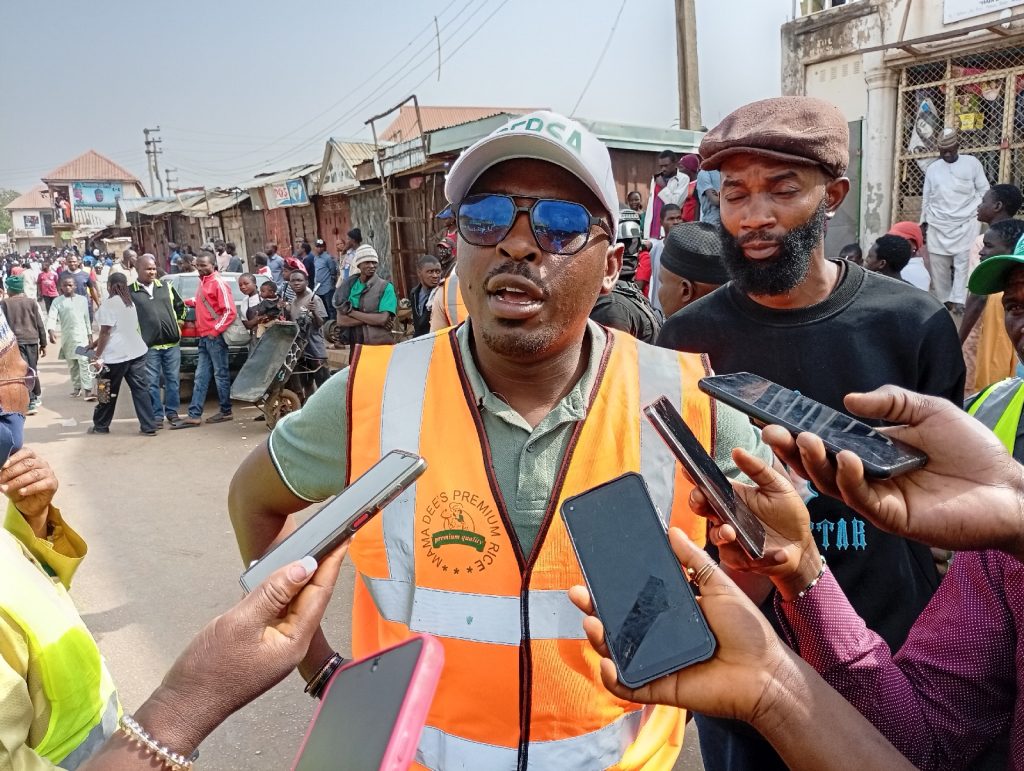
The Director-General of PEPSA, Mr. Samuel Dapiya, who monitored the exercise across major parts of Jos metropolis and its environs, expressed disappointment over what he described as a noticeable decline in public participation despite sustained advocacy and sensitisation campaigns by the agency.
Speaking during an on-the-spot assessment, Dapiya said compliance levels were lower compared to previous years, noting that several residents appeared to have neglected the gains recorded in sanitation efforts over the past two years.
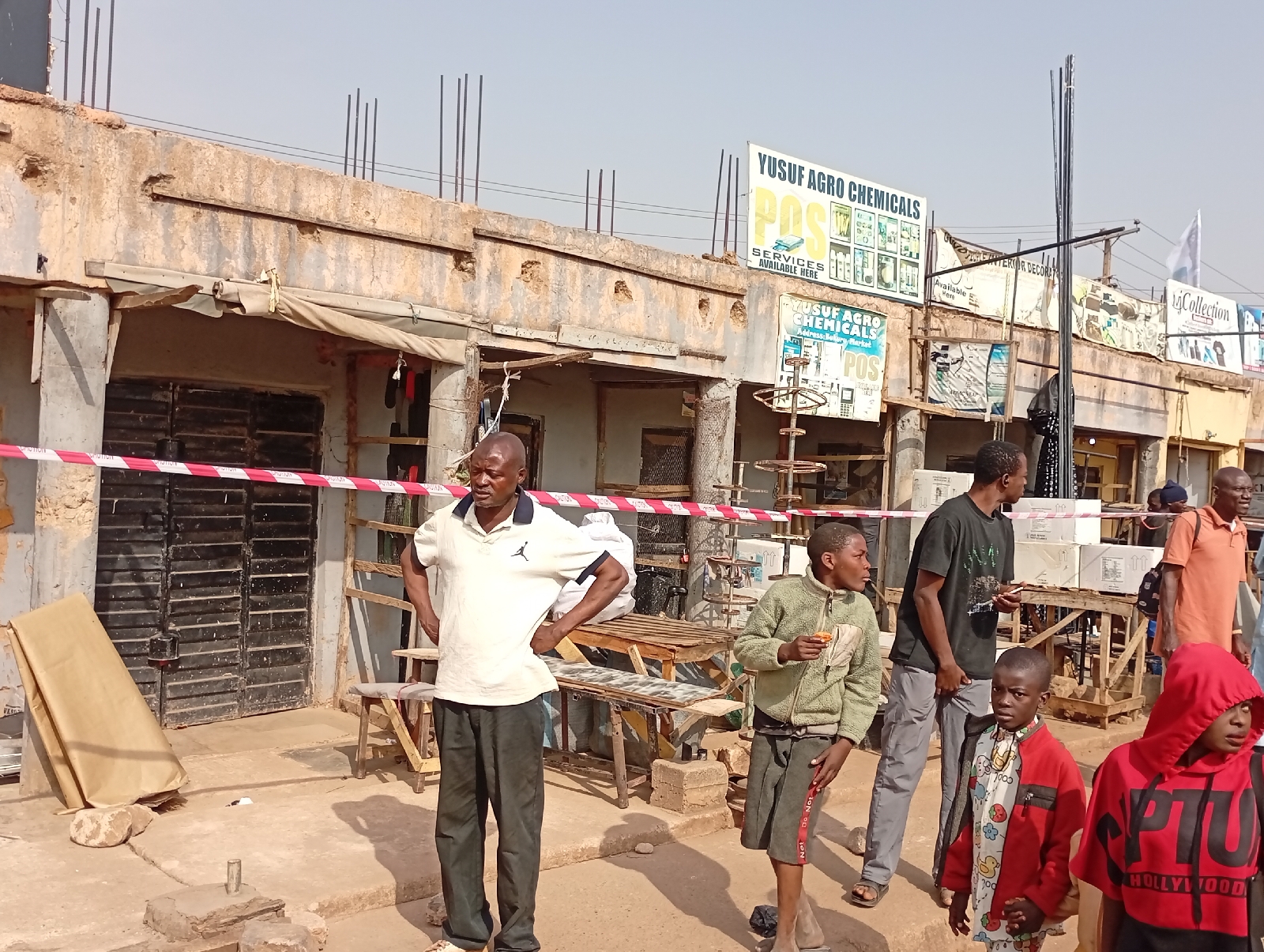
“We have gone round the town from the PEPSA headquarters through Amadu Bello, Rayfield, the airport area and now Bukuru Market, and we noticed that a number of shops were open despite the restriction on movement.
“This is deeply concerning, considering the level of advocacy and campaigns we have invested in.” he said.

He stressed that environmental sanitation should not be viewed solely as a government responsibility but as a collective civic duty requiring the active participation of all residents.
According to him, sanitation goes beyond keeping streets clean, as it is closely linked to disease prevention and public health safety.
Dapiya explained that although movement is restricted between 7:00 a.m. and 10:00 a.m. on sanitation days, many residents still fail to comply, raising concerns about the state’s readiness to transition to a system where sanitation is observed voluntarily without enforcement.
“Our big picture is to get to a point where sanitation can be observed without locking people indoors
“But behavioural change is key. Until poor sanitation habits are unlearned, enforcement will continue.”
He added that sanitation challenges are interconnected with issues of building control and compliance with Executive Order 008, noting that PEPSA is working in collaboration with the Jos Metropolitan Development Board (JMDB) to address the situation.
Also speaking, the General Manager of the JMDB, Arc. Hart Bankat, expressed dissatisfaction with what he described as the poor attitude of some residents toward environmental cleanliness.
“At this age and time, we should not be chased to keep our streets clean,We say we want to compete globally, yet we are still enforcing basic sanitation with sticks and guns. That is a call for sober reflection” Bankat stated.
He criticised excuses by residents who claimed ignorance of the monthly sanitation exercise, describing such claims as unacceptable, particularly as Plateau State approaches its 50th anniversary.
What exactly are we celebrating at 50 if we are still struggling with basic cleanliness?” he asked. “This is not the kind of society we want our children to grow up in.”
Bankat urged residents to see environmental sanitation as a collective responsibility and adhere strictly to the rule of law, stressing that sustainable progress depends largely on personal responsibility.
He called on residents to be deliberate in changing their attitudes toward sanitation, noting that meaningful progress can only be achieved when individuals take ownership of their environment.