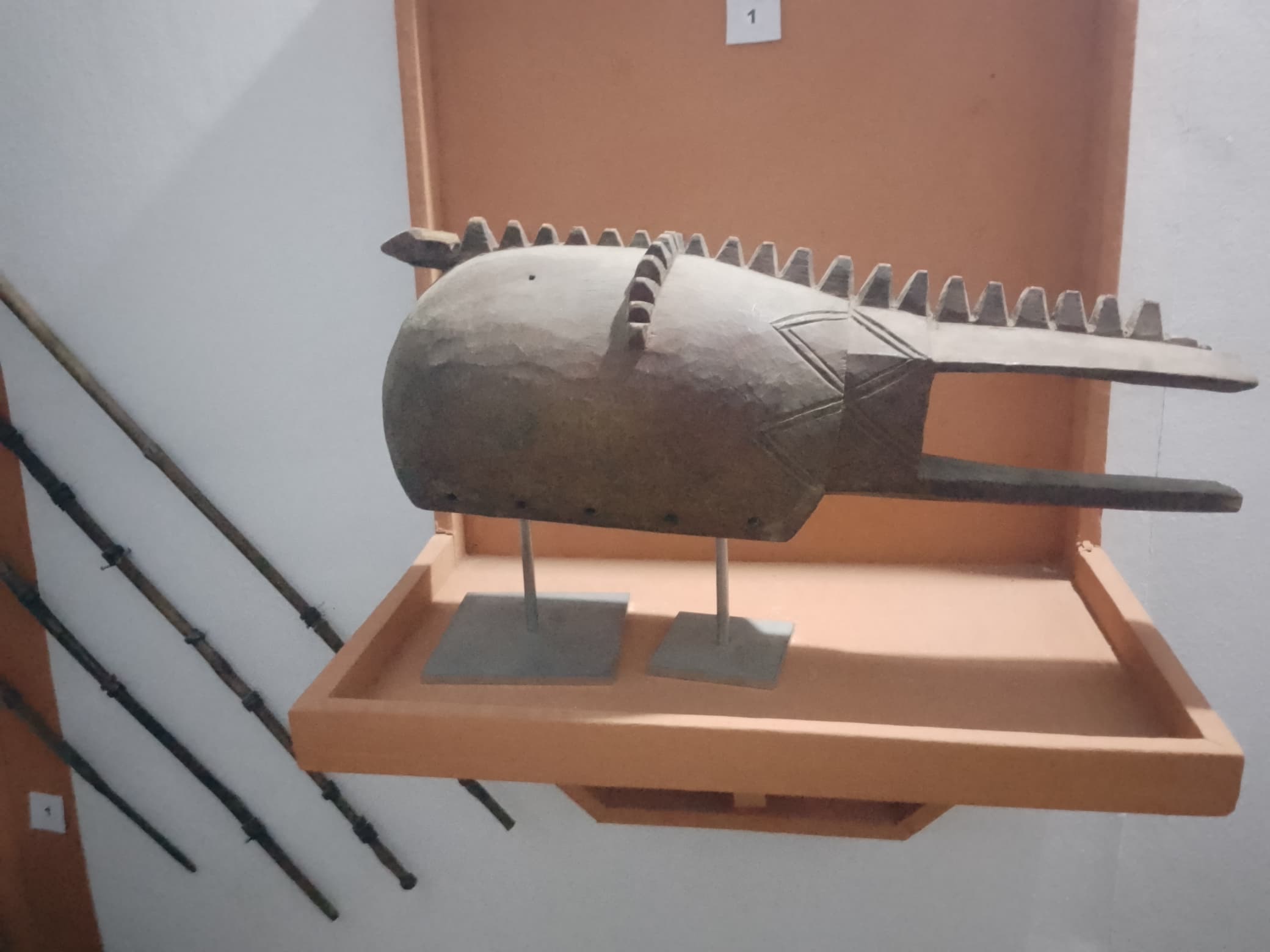

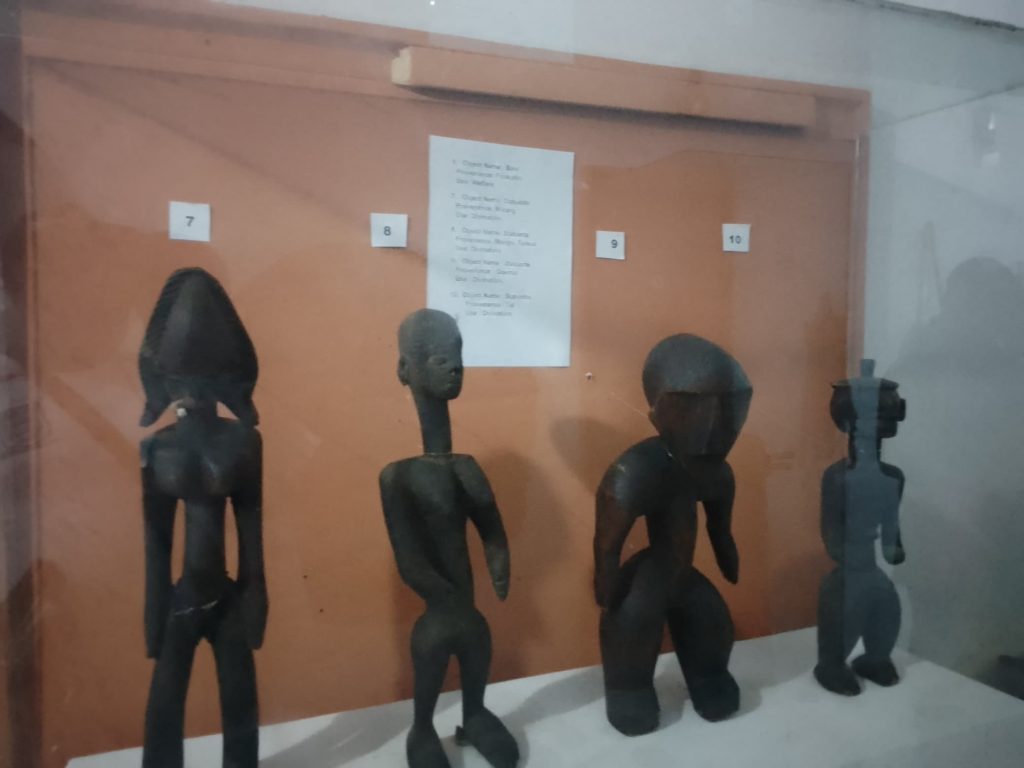
The National Museum in Jos has launched a new exhibition that puts Plateau State firmly in the spotlight of Nigeria’s artistic heritage. Titled “Plateau in the Classical Works of Nigerian Art,” the exhibition explores how the Plateau region has been represented in classical Nigerian artworks displayed in museums around the world.
The exhibition was officially unveiled on Tuesday and aims to deepen public appreciation of Plateau’s cultural and historical contributions while reinforcing the state’s reputation as an important centre for heritage and tourism.
Speaking at the opening ceremony, the museum’s Director and Curator, Linus Kasai Kingi, explained that the exhibition was designed to highlight the rich artistic traditions connected to the Plateau people.
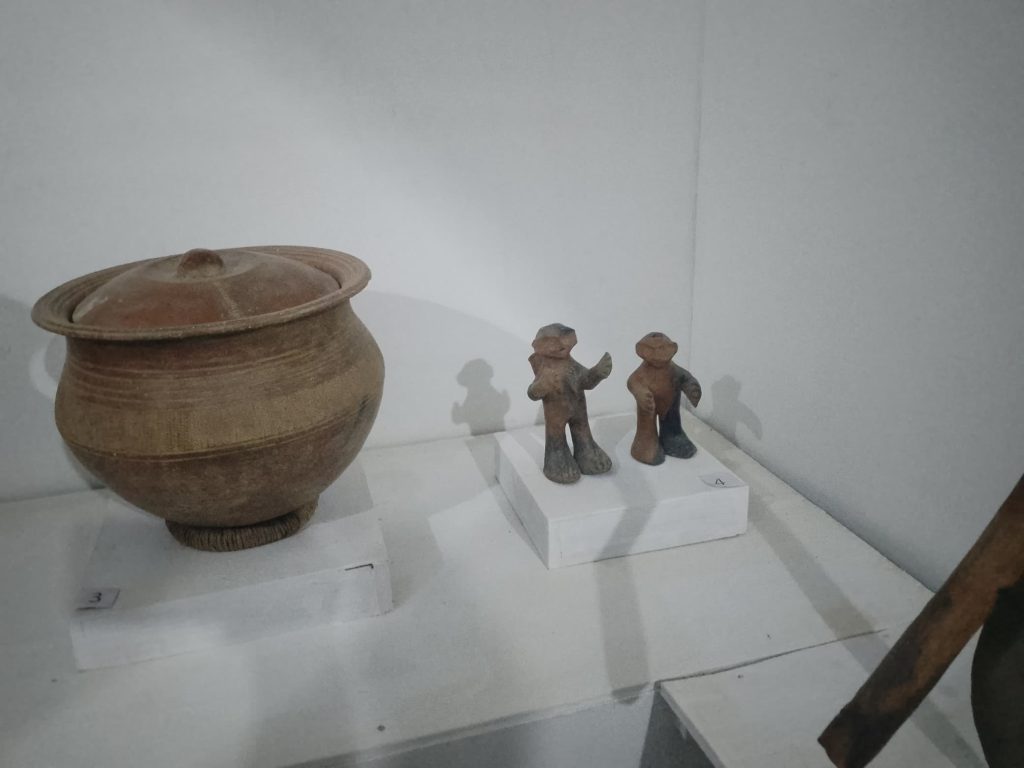
According to him, it also helps remind visitors of the region’s enduring influence on Nigeria’s cultural history.One of the highlights of the exhibition is the display and discussion of the famous terracotta sculptures associated with the ancient Nok civilisation.
These sculptures are widely recognised as some of the earliest artistic expressions in Nigeria and remain iconic symbols of the country’s ancient creativity.
“This exhibition shows how Plateau appears in classical artworks displayed in museums across the world,” Kingi said. “It’s a way of celebrating Nigeria’s cultural heritage with pride.”
Revisiting the Legacy of the Nok Civilisation
The keynote lecture was delivered by educator and researcher Santos Ayuba, who described Plateau not just as a geographical location but as a land deeply rooted in cultural identity and historical significance.
Ayuba walked participants through the history of the Nok civilisation, an ancient culture that once spread across parts of Plateau, Southern Kaduna, Nasarawa and Niger states.
The Nok people are best known for their terracotta sculptures, which are believed to be more than 2,000 years old and are considered among the earliest known sculptural traditions in sub-Saharan Africa.
He explained that the artistic traditions of Nok helped influence later Nigerian cultures, including those of Ife, Benin and Igbo societies.
“Art is central to culture,” he said. “When a culture loses its art, it risks losing its story. Without that story, future generations struggle to connect with their heritage.”
Museums as Guardians of Culture
Ayuba also emphasised the critical role museums play in preserving cultural knowledge. Since it was established in 1952, the National Museum in Jos has served as more than just a repository for artefacts.
It has functioned as a guardian of both tangible objects and the intangible traditions they represent.
According to him, the cultural knowledge preserved in museums is even more valuable than many natural resources.“Our cultural wealth is greater than material resources like oil,” he said. “Culture is the real gold mine.”
Support from Government and Cultural Institutions
The exhibition also drew strong support from government officials, cultural institutions and community leaders.Representing the Plateau State Commissioner for Lands, Survey and Town Planning, Peter Nyam Gai, Peter Wuyep welcomed guests and highlighted the importance of collaboration between government and traditional institutions in protecting cultural heritage.
He described traditional rulers as custodians of the land, while the government serves as its administrator—both roles working together to ensure cultural preservation.
The Director-General of the National Commission for Museums and Monuments, Olugbile Holloway, also commended the exhibition.
Represented at the event by Anne Adamu, Director of the Institute of Archaeology and Museum Studies, he noted that the exhibition would help visitors better understand Nigeria’s artistic heritage and Plateau’s place within it.
Adamu also acknowledged the contributions of private supporters who helped make the exhibition possible, particularly Plateau-born entrepreneur Jethro Mark Da’ar
Encouraging the next generation
In his goodwill message, Da’ar shared his personal journey from a young innovator in Jos to becoming the founder of several companies.
He encouraged young people in Plateau to believe in their potential and contribute actively to the development of their communities.Traditional leaders also expressed their support for the initiative.
The Emir of Wase, Dr. Mohammadu Sambo Haruna, praised the organisers for using art as a tool to preserve history, inspire creativity and promote unity across communities.
He reminded guests that Plateau’s greatest treasure lies in its cultural heritage.
A Closer Look at Plateau’s Artistic Story
The event concluded with the unveiling of the exhibition brochure and the official opening of “Plateau in the Classical Works of Nigerian Art.”
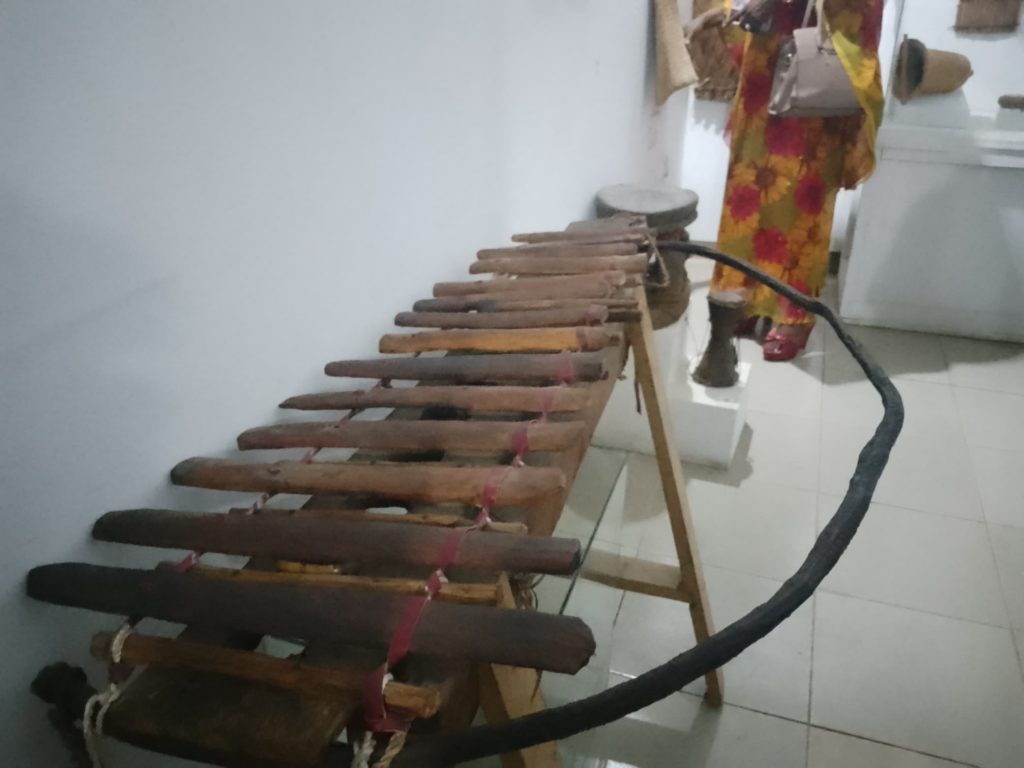
Guests were then invited to tour the exhibition, which features a range of classical Plateau artefacts including Nok terracotta sculptures, ceremonial objects and other cultural pieces that reflect the creativity and history of the Plateau peoples.
Visitors spent time studying the artworks up close, gaining new appreciation for the technical skill, artistic sophistication and historical importance of the pieces on display.
For anyone interested in Nigeria’s cultural roots, the exhibition offers a fascinating journey into the artistic traditions that have shaped the country’s identity for thousands of years.