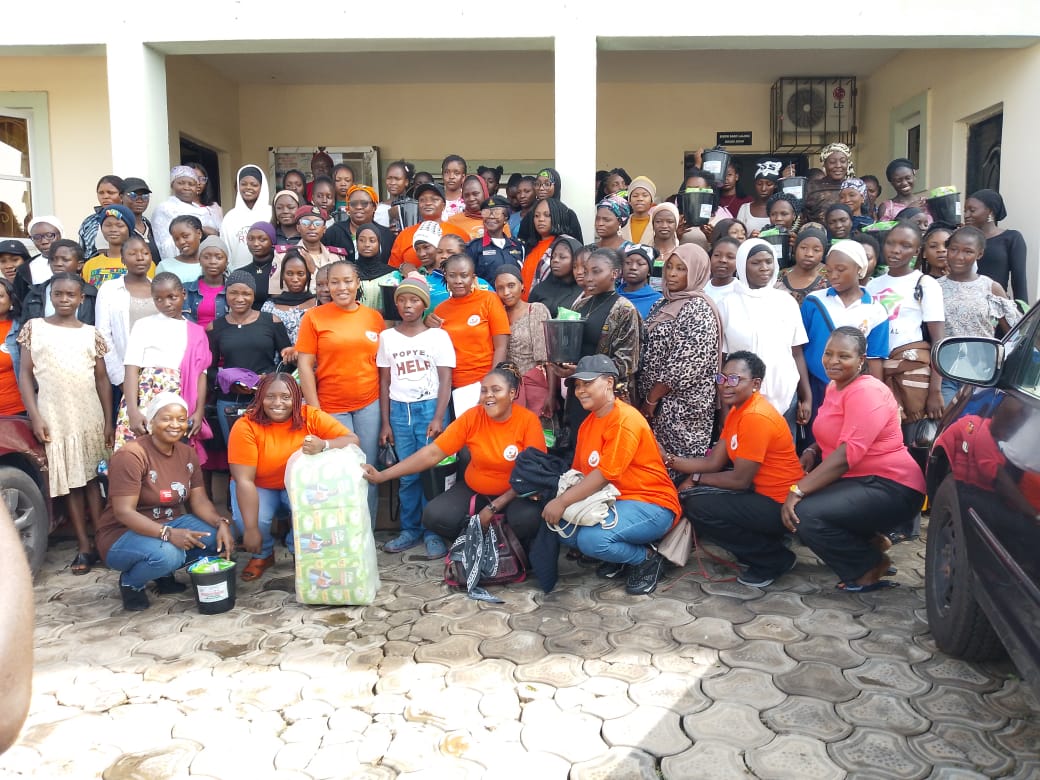

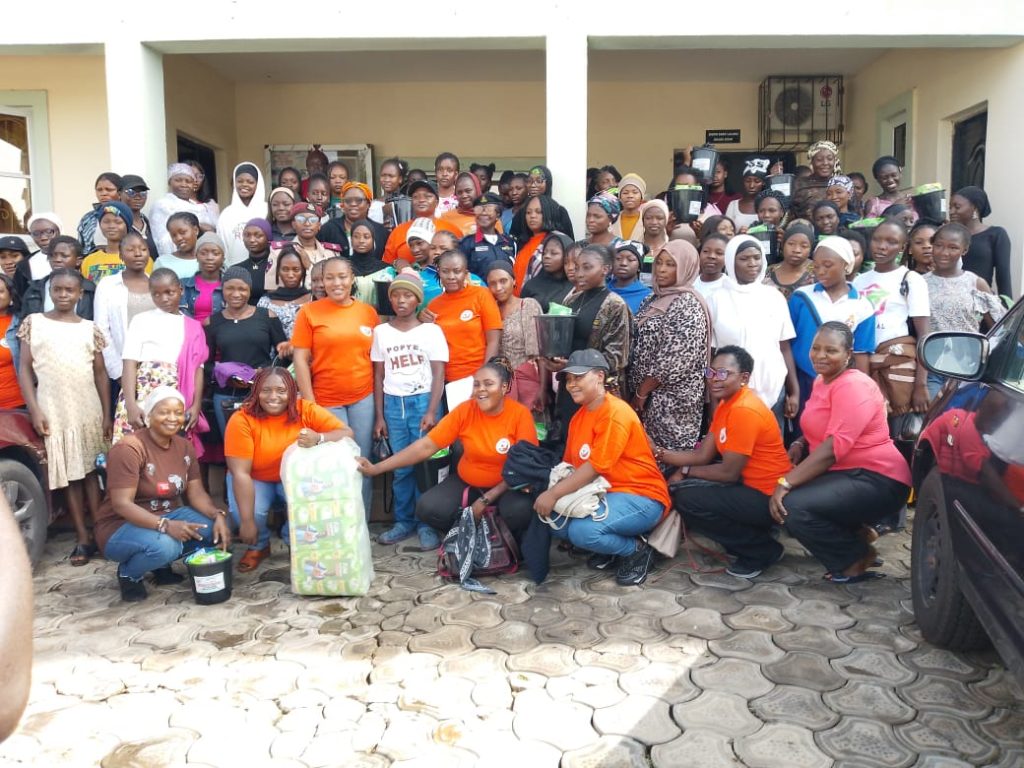
The Nigeria Association of Women Journalists (NAWOJ), Plateau State chapter, has called on government, communities and development partners to treat menstrual hygiene as a public health, human rights and development issue, stressing that girls should never be denied opportunities because of menstruation.
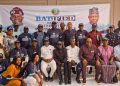
The chairperson of the association, Mrs Grace Gotip, made the call on Thursday in Jos during a menstrual hygiene training organised for adolescent girls as part of activities marking one year of the current NAWOJ executive.
She said menstruation had for years been surrounded by silence, shame and misinformation, with many girls paying the price through lost confidence, interrupted education and poor health outcomes.
“Today, we break that silence. This training is not just about pads, products or hygiene routines. It is about knowledge, rights, self-esteem and empowerment. It is about ensuring that no girl misses school because of her period,” she said.
Gotip noted that NAWOJ would continue to promote menstrual health education, advocate access to safe and affordable menstrual products, challenge harmful myths and stereotypes, amplify the voices of girls and women and support media reporting that advances gender equality.
She urged participants to ask questions freely and share their experiences, reminding them that menstruation was “not a curse, not a taboo and not something to hide,” but a natural sign of health, strength and womanhood.
The NAWOJ chairperson also called on stakeholders to educate communities, support girls, advocate policies that improve menstrual health and create safe spaces for open conversations.
Chairman of the Nigeria Union of Journalists (NUJ), Plateau State Council, Comrade Ayuku Pwaspo, commended the Plateau NAWOJ chapter for its sustained advocacy on issues affecting women and girls.
She said the association had consistently championed gender equality, spoken against human rights violations and encouraged greater participation of women in politics and governance, while urging participants to make good use of the knowledge gained during the training.
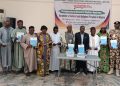
Facilitating the training, Programme Manager of the Women and Girl Child Rescue Development Initiative, Longret Laurentia, alongside Jemima, educated participants on proper menstrual hygiene management, encouraged them to monitor their menstrual cycles and advised them to seek help whenever they experienced menstrual health challenges.
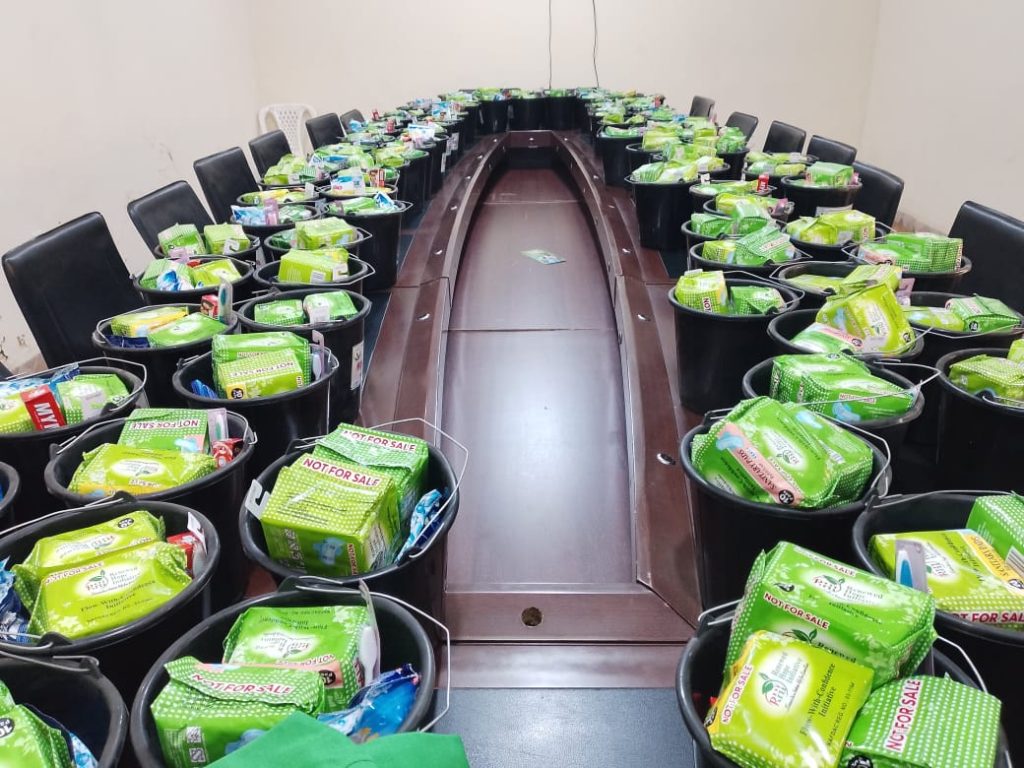
The programme also featured the distribution of sanitary pads to participants.