The Plateau State Government, in partnership with the United Nations Children’s Fund (UNICEF), has deployed Case Area Targeted Intervention (CATI) teams to communities affected by, or considered at risk of, cholera as efforts intensify to contain the outbreak.
The deployment followed a four-day training for government health and Water, Sanitation and Hygiene (WASH) personnel, equipping them with the skills required to respond rapidly to cholera cases at community level.
The intervention was demonstrated in Angwan Damisa, Jos North Local Government Area, while other suspected and high-risk locations visited included Filin Sata in Angwan Rukuba.
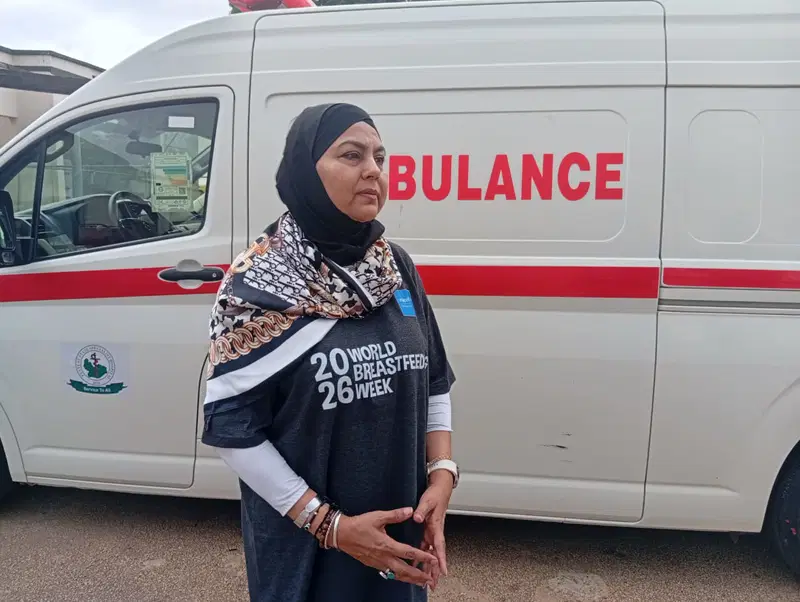
UNICEF Chief of Field Office, Bauchi, Dr. Nuzhat Rafique, said the community-based response was aimed at complementing the training and strengthening the state’s capacity to contain the outbreak.
Rafique said UNICEF was supporting the Plateau State Government and the Plateau State Primary Health Care Development Agency in reducing cholera cases and preventing deaths.
“We are focusing on the immediate response by reducing the number of deaths and cases, while also strengthening preparedness to prevent future outbreaks across all the LGAs,” she said.
She stressed that cholera prevention required a multi-sectoral approach, noting that water, sanitation and hygiene, vaccination, social mobilisation and behaviour change were all critical to containing the disease.
According to her, UNICEF had also supported affected local government areas with cholera vaccines, while CATI teams were being deployed to communities where cases had been reported.
CATI involves going directly to an area where a cholera case has been identified and implementing a combination of interventions designed to stop further transmission.
These include water purification, sanitation and hygiene measures, health services, social mobilisation and behaviour change.
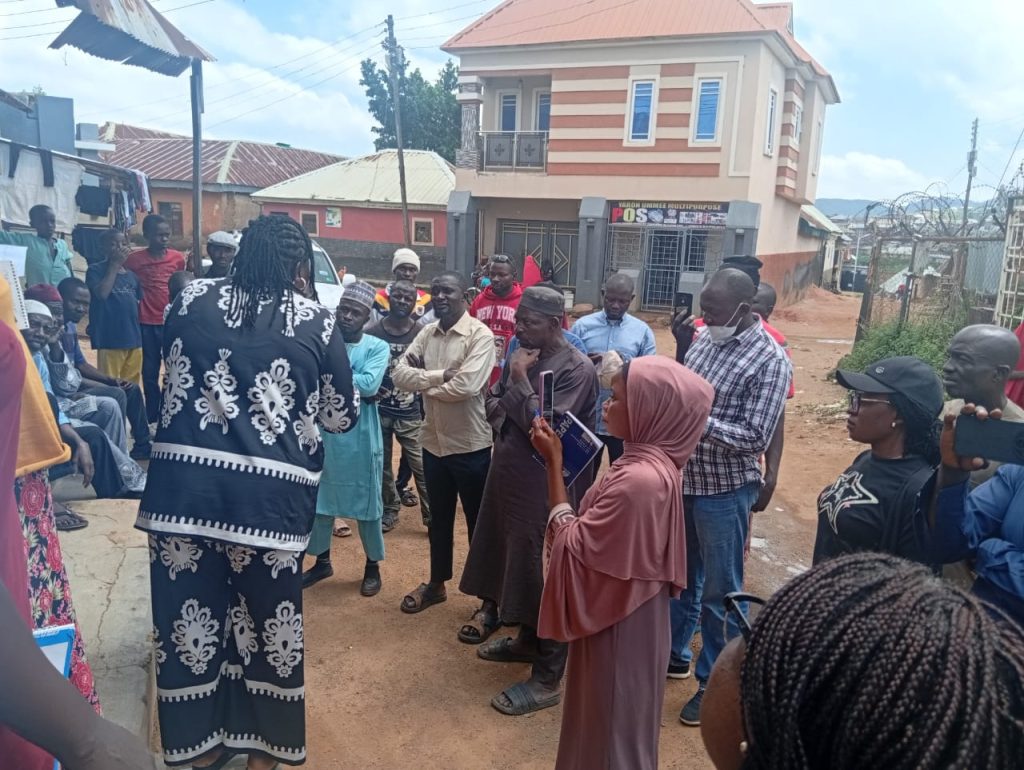
Teams begin intervention in Angwan Damisa
At Angwan Damisa, the CATI teams first engaged community leaders and validated reported cholera cases before commencing the intervention.
UNICEF WASH Specialist supporting the Bauchi Field Office, Dr. Stella Okafor-Terver, said the exercise was intended to move the CATI training from the classroom into the field.
She explained that the first stage involved community entry, engagement with community leaders and validation of the reported cases.
Two CATI teams subsequently worked simultaneously, with one team chlorinating water sources while the other prepared chlorine solution to disinfect households and surrounding areas where cholera cases had been reported.
Okafor-Terver said four cases had been identified in the community, with one of the affected persons at the Primary Health Care Centre. She added that the intervention would also be extended to the facility.
She stressed that the response was being carried out by government personnel, with UNICEF providing technical and capacity-building support.
Five LGAs trained for rapid response
The General Manager of the Plateau State Rural Water Supply and Sanitation Agency (RUWASSA), Engr. Godfrey Dashuwar, said the training was part of the state government’s efforts to strengthen preparedness against recurring cholera outbreaks.
According to him, personnel from Bokkos, Mangu, Barkin Ladi, Jos North and Jos South local government areas participated in the training to enable them respond quickly whenever cases were detected.
Dashuwar said lessons from previous outbreaks, including the cholera outbreak recorded in Bokkos last year and its resurgence in Mangu this year, had reinforced the need for sustained preparedness.
“Cholera can be very, very ravaging. So we want to see how we can bring it to an end. That would be better for us, particularly in the lives of our children and women,” he said.
He also urged communities to cooperate with health authorities, noting that movement between communities could facilitate the spread of the disease.
Meanwhile, community leaders in Angwan Damisa pledged to sustain public awareness after the CATI teams leave.
The Ward Head, Ahmed Achayi, appreciated the intervention and assured the authorities of the community’s cooperation in improving sanitation and preventing further transmission.
A community development leader, Salisu Hassan, said traditional, religious and other community structures would be used to sustain health education.
He said mosque platforms and other regular gatherings would be used to educate residents on cholera prevention, sanitation and hygiene in languages they understand.
The community leaders also called for more educational materials, including posters and flyers, to reinforce messages on handwashing, sanitation and early reporting of suspected cases.
The CATI intervention is expected to strengthen Plateau State’s capacity to respond quickly to cholera cases while improving community preparedness and reducing the risk of future outbreaks.