The Plateau State Government has suspended the operations of the Vehicle Inspection Office (VIO) across the state following a series of confrontations involving VIO officials and transport operators in Jos.
The suspension takes effect on Monday, September 21, and the government says it is intended to create room for a review and restructuring of the Directorate of Vehicle Inspection.
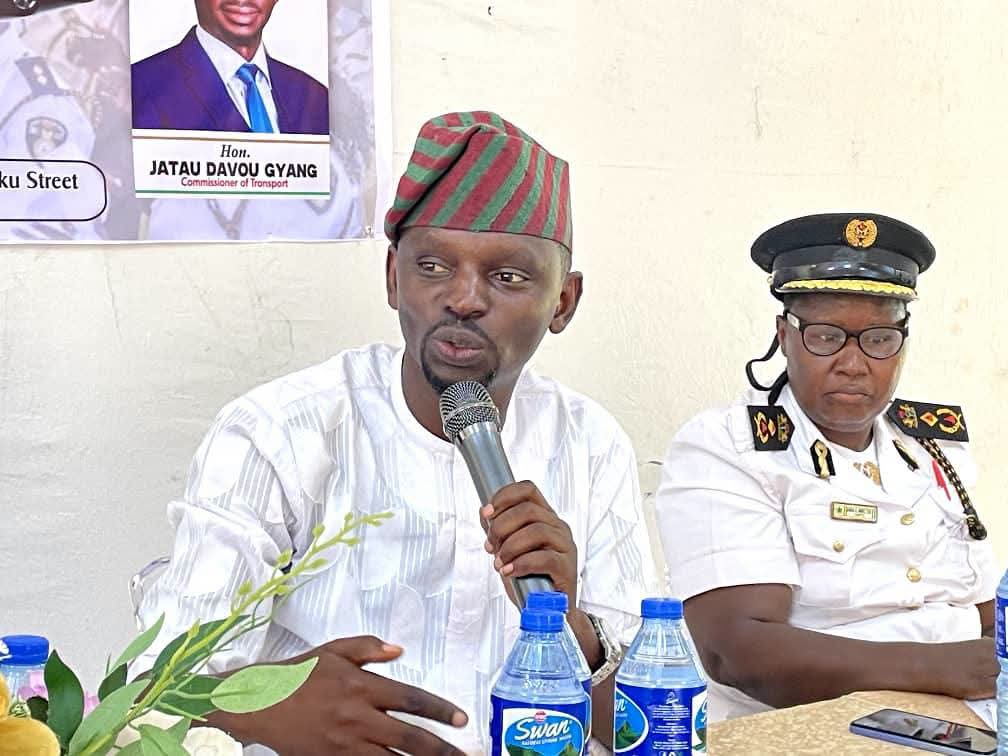
The decision was announced by the Commissioner for Transport, Hon. Davou Gyang Jatau, during an emergency meeting with leaders of the National Union of Road Transport Workers (NURTW), tricycle operators and other stakeholders in the transport sector.
But the suspension is only one part of a broader intervention that will also place new responsibilities on transport operators while introducing a formal channel for motorists to report complaints against VIO personnel.
Why the government suspended VIO operations
The move comes against the backdrop of recent confrontations between VIO officials and transport operators in Jos.
The government has faced concerns over alleged misconduct by some VIO personnel, while officers have also been attacked during enforcement activities.
Rather than allowing the disputes to continue through confrontations on the roads, the Ministry of Transport is now seeking to review how the Directorate of Vehicle Inspection operates.
The government had earlier called for investigations into incidents involving both alleged misconduct by VIO personnel and attacks on officers, stressing that grievances should be handled through lawful channels.
Transport unions told to produce alleged attackers
While announcing the suspension, Jatau also directed transport unions to produce members identified in video footage allegedly assaulting VIO officials.
He warned that anyone arrested by security agencies over the incidents would be prosecuted, saying the government would not interfere in such cases.
The position signals that the suspension of VIO activities should not be interpreted as a withdrawal of enforcement responsibilities from transport operators.
Instead, the government is seeking to address what it describes as problems on both sides of the dispute.
New complaint channel for motorists
One of the significant changes announced by the commissioner is the planned establishment of a dedicated complaint mechanism for motorists.
According to Jatau, the Ministry of Transport will provide phone lines through which motorists can report alleged misconduct and other concerns involving VIO personnel.
The mechanism is expected to give motorists a formal alternative to confronting officials directly when they believe they have been treated unfairly.
It could also provide the ministry with a clearer way of tracking complaints against individual officials and identifying recurring problems within the vehicle inspection system.
Government raises alarm over vehicle documentation
Beyond the clashes, the meeting exposed wider concerns about compliance within Plateau’s transport sector.
Jatau said an estimated 80 per cent of vehicles operating in the state do not have valid documentation.
The commissioner also expressed concern over the increasing involvement of underage children in the operation of commercial tricycles and motor vehicles.
He consequently directed the immediate enforcement of statutory driving-age requirements, alongside stricter compliance with vehicle documentation and road safety regulations.
Monthly meetings to replace emergency confrontations
The government is also changing how it intends to manage disputes between transport operators and vehicle inspection officials.
Rather than waiting for crises to occur before bringing the two sides together, Jatau directed that meetings between transport unions and the Directorate of Vehicle Inspection should become mandatory and monthly.
The meetings are expected to provide a regular platform for transport operators to raise complaints, discuss enforcement challenges and seek solutions before disagreements escalate into confrontations.
What the suspension means
For motorists and transport operators, the immediate question is what happens during the suspension period.
The government’s explanation suggests that the break is not an abandonment of vehicle inspection or transport regulation. Instead, it is intended to provide an opportunity to examine the current system and restructure the Directorate of Vehicle Inspection.
At the same time, transport operators are being reminded that the suspension does not remove their responsibility to comply with road safety laws, vehicle documentation requirements or lawful instructions from authorities.
The government is therefore attempting to address the crisis from both ends: reviewing the conduct and operations of VIO officials while demanding greater discipline and compliance from transport operators.
How the planned restructuring is implemented — and whether the new complaint and consultation mechanisms can reduce roadside confrontations — will likely determine whether the latest intervention produces a more orderly relationship between vehicle inspectors and transport operators in Plateau.