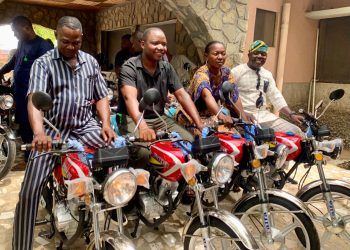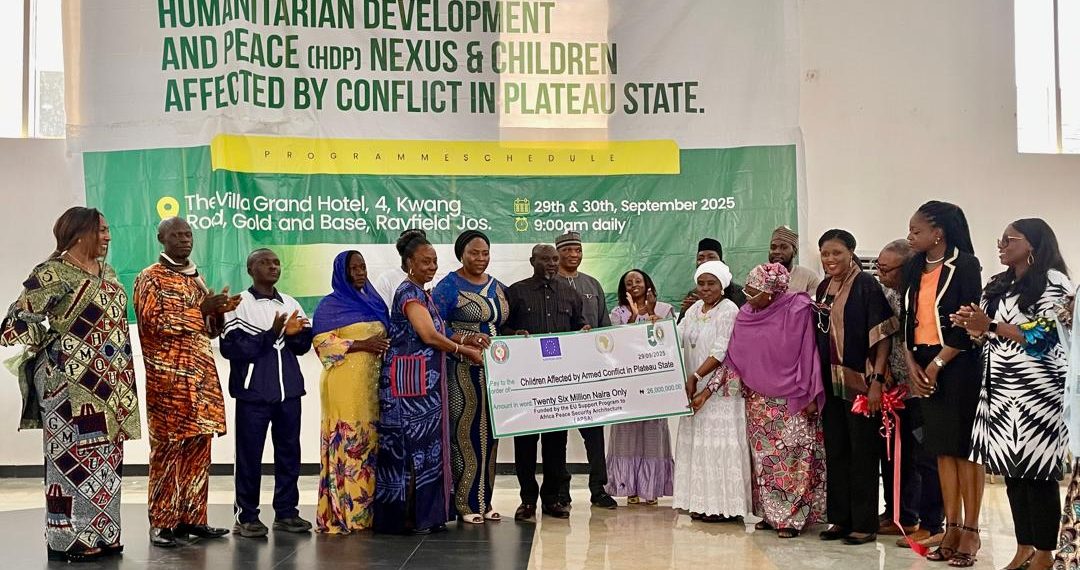

As part of efforts to strengthen the Humanitarian-Development-Peace (HDP) Nexus in Plateau State, the European Union (EU), through the Economic Community of West African States (ECOWAS), has donated ₦26 million to support children affected by violent conflicts across five Local Government Areas of the state.
The intervention, implemented under the African Peace and Security Architecture Support Programme, is targeted at internally displaced children in Mangu, Bokkos, Riyom, Barkin Ladi, and Bassa LGAs.
It aims to provide food, school supplies, and psychosocial support as part of a coordinated humanitarian response.
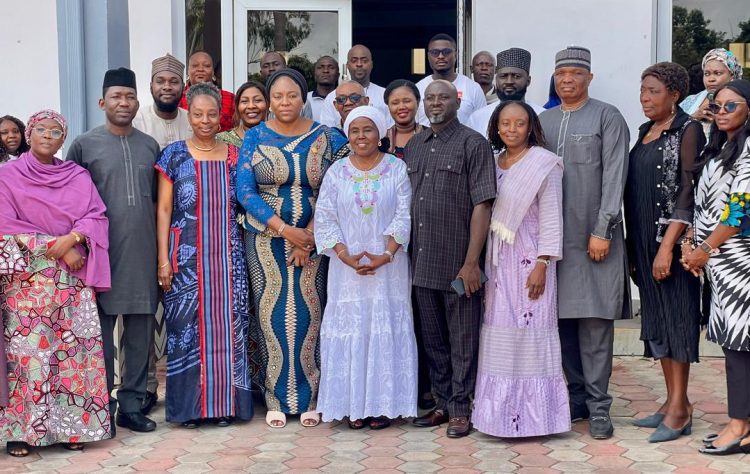
The donation was officially presented during a two-day workshop held in Jos from September 29 to 30, focused on strengthening collaboration across humanitarian, development, and peace actors in Plateau State.
Flagging off the initiative, Governor Caleb Mutfwang, represented by the Permanent Secretary to the Secretary to the State Government, Mr. Dayi Timothy, commended the EU and ECOWAS for their timely support, stating that peace and security remain central to his administration’s development agenda.
“This initiative aligns with our government’s first policy thrust of peace and security,We recognize our partners—the Peace Building Agency, civil society, and local authorities—for their support. Plateau State is committed to taking leadership in peacebuilding while ensuring humanitarian relief and development go hand in hand.”Mr. Timothy said.
Director of Humanitarian and Social Affairs at the ECOWAS Commission, Dr. Sintiki Tarfa Ube, emphasized that the donation was part of efforts funded by the EU to restore hope and dignity to children traumatized by violence.
“At the heart of the humanitarian-development-peace nexus is resilience,By supporting food, education, and psychosocial needs, we are laying the foundation for peace and prosperity, not only in Plateau State but across the region.”she stated
Also speaking, Mr. Yakubu Adamu, Deputy Director of Humanitarian Affairs, Federal Ministry of Humanitarian Affairs and Poverty Alleviation, described the intervention as both timely and strategic.
“This support prioritizes the most vulnerable—displaced women and children. We will continue working with partners to ensure humanitarian assistance transitions into long-term recovery and resilience,” he said.
Mrs. Julie Sanda, Director General of the Plateau State Peace Building Agency (PPBA), said the programme reflects the government’s commitment to peace, justice, and social cohesion.
She warned that without sustained investment in displaced children’s education and welfare, the state risks losing a generation to prolonged instability.
In her remarks, Mrs. Julie Bala, Director of Relief and Rehabilitation at the Plateau State Emergency Management Agency (PLASEMA), lamented the trauma faced by over 31,000 displaced households recorded across the five LGAs since May 2025, calling for sustained partnerships to meet both short-term and long-term needs.
The event also had representatives of development partners including GIZ Peace Core Project, funded by Germany’s Federal Ministry for Economic Cooperation and Development (BMZ), who reiterated their support for integrated solutions to conflict recovery and peacebuilding in the state.
Speaking on behalf of beneficiaries, Mr. Malau Malan, Camp Coordinator of the St. Gregory IDP camp in Bokkos, expressed gratitude to ECOWAS, the EU, and the African Union for the support.
He assured that the items would be used judiciously and distributed fairly.The workshop ended with renewed commitments from stakeholders to deepen collaboration and promote locally led approaches to peacebuilding, humanitarian response, and sustainable development.