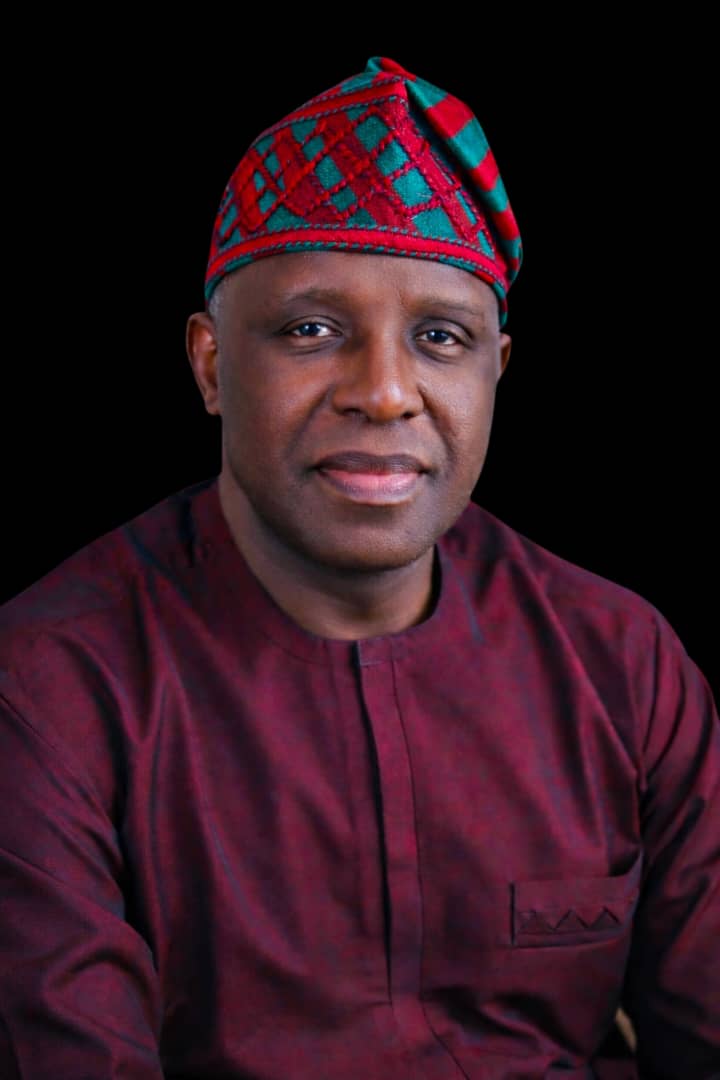

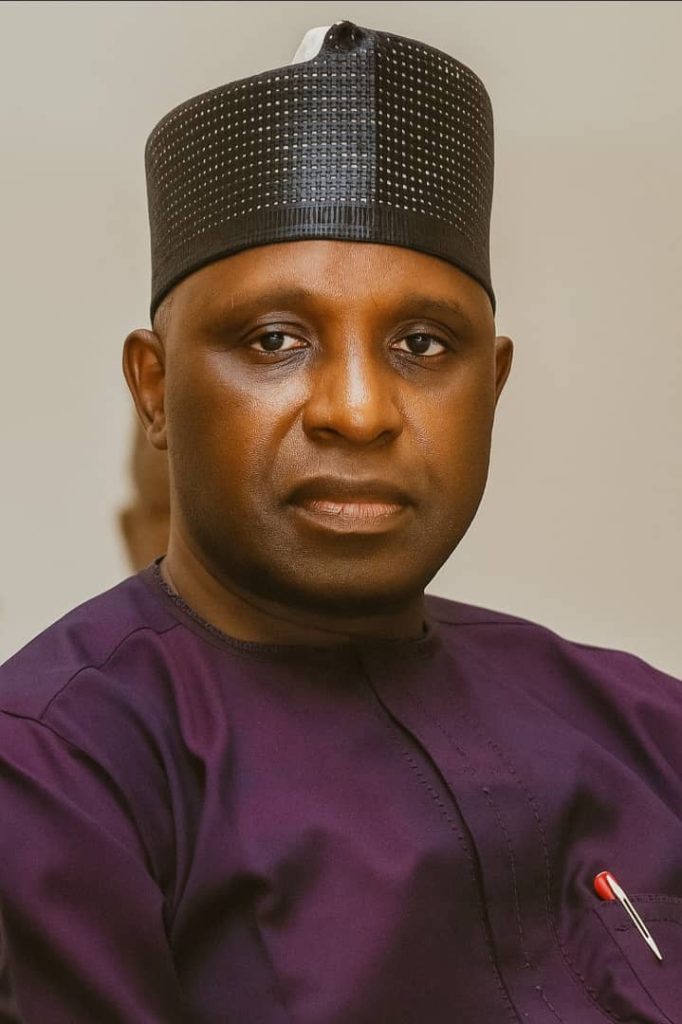
Former Plateau North Senator, Istifanus Dung Gyang, has advocated the establishment of state police as part of constitutional reforms needed to address persistent insecurity in Nigeria, particularly in communities across Plateau State.
Gyang, who represented Plateau North in the National Assembly of Nigeria between 2019 and 2023, said the country’s centralised security structure has limited the ability of states to respond promptly to threats within their jurisdictions.
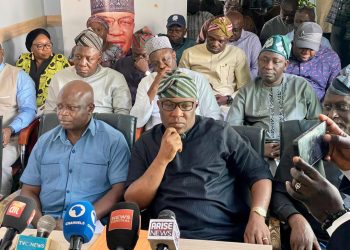
Speaking during an interaction with journalists, the former lawmaker said insecurity remains one of the greatest challenges confronting communities in Plateau North, noting that attacks in several areas have resulted in loss of lives, destruction of property and displacement of residents.
According to him, the Nigerian Constitution clearly stipulates that the primary responsibility of government is the security and welfare of citizens, stressing that achieving this requires reforms that would empower states to take a more active role in managing security.
“Just as all politics is local, security issues are best tackled at the local level. If you wait for command and control to emanate from the Inspector-General of Police or the Chief of Defence Staff before addressing issues here, a lot of damage would have been done,” Gyang said.
He pointed to recurring attacks in communities such as Barkin Ladi, Bassa and Jos East, where thousands of residents have been displaced and many families remain unable to return to their homes and farmlands.
The former senator said granting states greater authority over security operations would enhance response to threats and strengthen collaboration between local communities and security agencies.
He also emphasised the need for improved community engagement in addressing insecurity, noting that peace-loving citizens across ethnic and religious divides must work together while isolating criminal elements responsible for violent attacks.
According to him, communities can play a crucial role by providing intelligence to security agencies, while government must also strengthen the justice system to ensure that suspects arrested in connection with violent crimes are properly prosecuted.
Gyang said weaknesses in the adjudication process have sometimes allowed suspects to regain freedom shortly after arrest, undermining efforts to deter criminal activities.
He noted that discussions around restructuring Nigeria’s security architecture have gained renewed momentum as part of the ongoing constitutional amendment process, expressing optimism that lawmakers would take decisive steps toward devolving certain powers to the states.
The former lawmaker disclosed that Bola Ahmed Tinubu had recently urged members of the National Assembly to expedite work on constitutional amendments that would allow greater devolution of powers, including proposals for the establishment of state police.
On the country’s political climate ahead of the 2027 general elections, Gyang expressed confidence that the electoral process would improve, citing assurances from the leadership of the Independent National Electoral Commission that necessary measures were being put in place to ensure credible polls.
He said the credibility of elections remains essential to sustaining Nigeria’s democracy, adding that the electoral body has promised that lapses recorded in previous elections would not be repeated.
Gyang also dismissed suggestions that opposition within parts of northern Nigeria could threaten the second-term prospects of President Tinubu, saying the region is politically diverse and cannot be treated as a single bloc.
According to him, the ruling All Progressives Congress continues to enjoy strong support across many northern states, including among governors and federal lawmakers.
“With my colleagues and members of the APC across the far North, the election of President Tinubu, except anything divine, is assured,” he said.
The former senator also defended the administration’s decision to remove fuel subsidy, describing it as a difficult but necessary policy that has increased revenues available to state governments.
He noted that before the policy change, many state governments struggled to meet basic financial obligations, including the payment of workers’ salaries.
According to him, the removal of subsidy has enabled states to receive significantly higher allocations from the federation account, allowing them to undertake projects and clear salary arrears.
Gyang said the development has improved fiscal capacity among states and partly explains why many political leaders have aligned with the policies of the current administration.