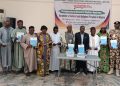
The Pharmacists Council of Nigeria (PCN) has sealed 572 pharmacies, patent medicine stores, and illegal drug outlets across Plateau State over a range of regulatory violations. The offences included operating without valid licences, engaging in unauthorised clinical practice, selling medicines illegally, and obstructing regulatory inspectors.
The four-day enforcement exercise, which began on Monday, covered several local government areas, including Jos North, Jos South, Mangu, Shendam, Barkin Ladi, Qua’an Pan, and Bassa.
Speaking to journalists in Jos on Friday, the Head of the PCN Enforcement Department, Dr. Suleiman Chiroma, said inspectors visited 778 premises during the operation. These included 199 pharmacies, 499 Patent and Proprietary Medicine Vendors (PPMVs), and 80 illegal medicine outlets.
According to Chiroma, 572 premises were sealed as a result of the exercise. The affected facilities comprised 120 pharmacies, 372 patent medicine stores, and all 80 illegal medicine outlets identified. In addition, five compliance directives were issued.
“The exercise was carried out in line with the provisions of the Pharmacists Council of Nigeria Act and the National Drug Distribution Guidelines (NDDG),” he said.
Chiroma further revealed that nearly 60 per cent of the pharmacies inspected failed to meet minimum operational standards, stressing that such lapses pose significant risks to public health.
Also speaking, a senior pharmacist at Jos University Teaching Hospital, Pharm. Kyenret Joshua, noted that all pharmacy premises in Nigeria must be registered with the PCN. She added that only licensed pharmacists are legally permitted to own and operate retail pharmacies.
Joshua warned that illegal operators and unqualified practitioners put patients at risk by dispensing medicines without the necessary knowledge of proper dosage, drug interactions, or patient counselling.
“The activities of illegal operators and quacks within the healthcare system have greatly affected both the system and patients,” she said.
Pharm. Eghele Ajila also described the growing number of unregistered medicine outlets as a serious public health concern.
He explained that many of these outlets obtain medicines through unverified supply chains, increasing the likelihood that counterfeit, substandard, or expired products will reach consumers.
“These outlets often source their products from unverified and cheaper supply channels where counterfeit, substandard, and expired medicines can easily enter the market,” he said.
Ajila cautioned that the use of fake or substandard medicines can lead to treatment failure, antimicrobial resistance, severe adverse reactions, and, in some cases, death.
He called for stricter enforcement by regulatory agencies and sustained public awareness campaigns to discourage the public from patronising unregistered drug outlets.
The PCN reaffirmed its commitment to strengthening pharmaceutical regulation and safeguarding the public from the dangers posed by illegal medicine vendors.