


The United Nations Children’s Fund (UNICEF) has urged the Gombe State Government to adopt a more inclusive and citizen-focused approach in its preparation of the 2026–2028 Medium-Term Expenditure Framework (MTEF), Fiscal Strategy Paper (FSP), and Budget Policy Statement (BPS).
The call was made during a five-day technical workshop held in Jos, Plateau State, jointly organized by the Gombe State Ministry of Budget and Economic Planning and UNICEF.
The session aimed to deepen programme-based budgeting and enhance public financial management in the state.
UNICEF’s Social Policy Specialist, Dr. Yusuf Auta, who spoke at the opening session, emphasized the importance of crafting budgets that are “child-friendly, women-sensitive, and male-responsive.”
According to him, inclusive budgeting not only ensures equitable development but also helps restore citizens’ trust in governance.
“We hope that by the end of this process, Gombe will produce a budget that mirrors the aspirations of all its people—children, women, and men alike. When citizens see that budgets are realistic and truly implemented, they begin to believe in the system and regain hope,” he said.
Dr. Auta commended Governor Muhammadu Inuwa Yahaya for promoting reform-driven and data-informed governance. He also praised the leadership of the Commissioner for Budget and Economic Planning, Alhaji Salihu Baba Alkali, for fostering openness and driving institutional reforms.
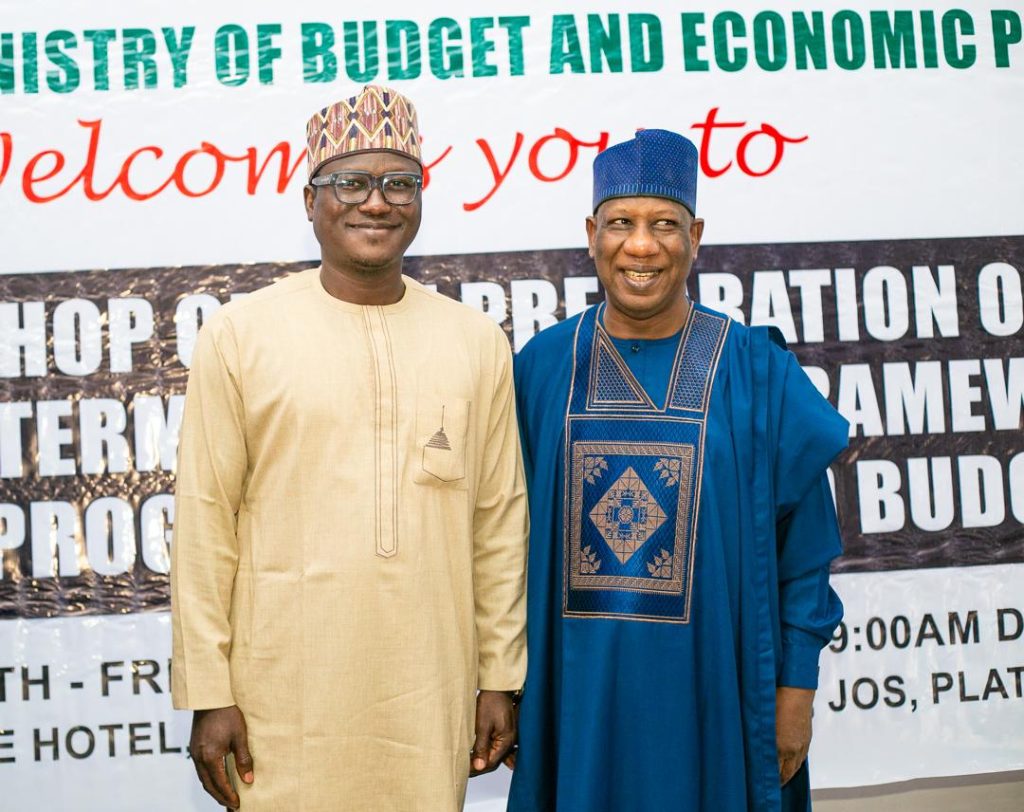
In his remarks, Alhaji Alkali reaffirmed the state’s commitment to sustaining programme-based budgeting, a model Gombe first adopted in 2018. Now in its eighth cycle, he noted, the framework is being fine-tuned to deliver more targeted results.
“This workshop is not a routine gathering. It’s a strategic moment to sharpen our budgeting tools and ensure they reflect our long-term development goals. With continued technical support from UNICEF, we are aligning our spending more closely with the actual needs of our people,” the Commissioner said.
Alkali explained that the MTEF, FSP, and BPS are critical tools for Ministries, Departments, and Agencies (MDAs) to develop credible and impact-driven budgets. He expressed hope that participants would leave the workshop better equipped to apply these instruments effectively.
Also speaking, the Permanent Secretary of the Ministry, Jalo Ibrahim Ali, mni, described the workshop as a significant step toward fostering transparency and inclusiveness in Gombe’s budget planning.
“Our expectation is that this engagement will help refine our fiscal strategies and ensure that our budgeting process responds to both economic realities and the diverse needs of our population,” he stated.
Participants at the training include officials from budget, planning, treasury, and audit departments. The workshop is expected to strengthen their capacity to shape a robust MTEF aligned with the goals of Gombe State’s 2021–2030 Development Plan.


