
The Federal Road Safety Corps (FRSC) has reaffirmed its commitment to gender inclusion, highlighting the increasing number of women occupying leadership positions within the organisation.
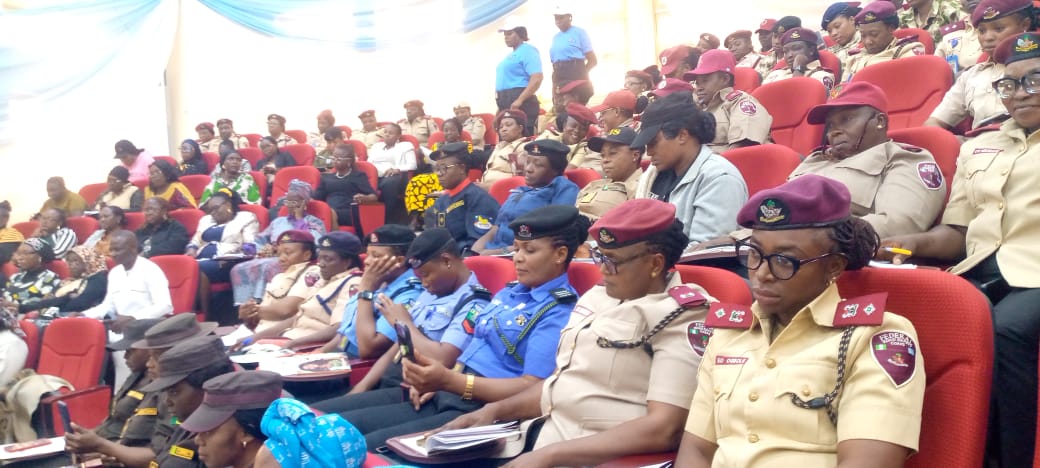
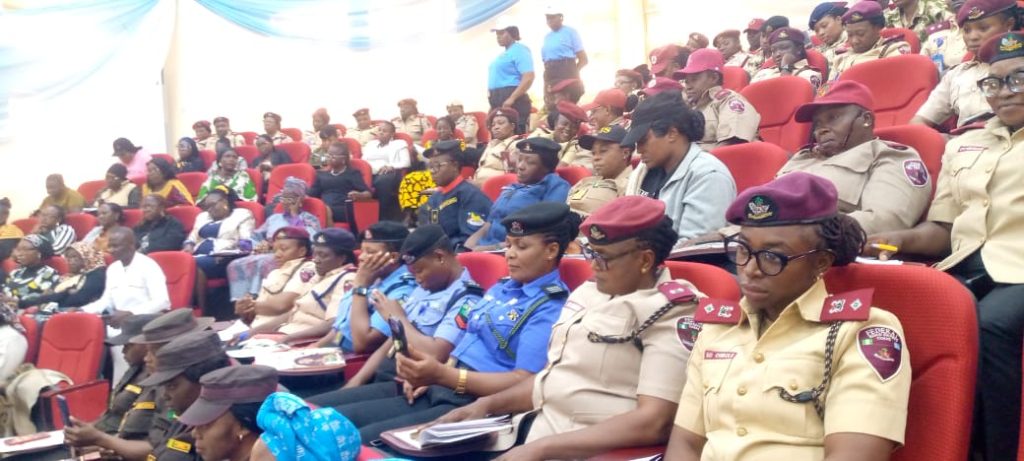
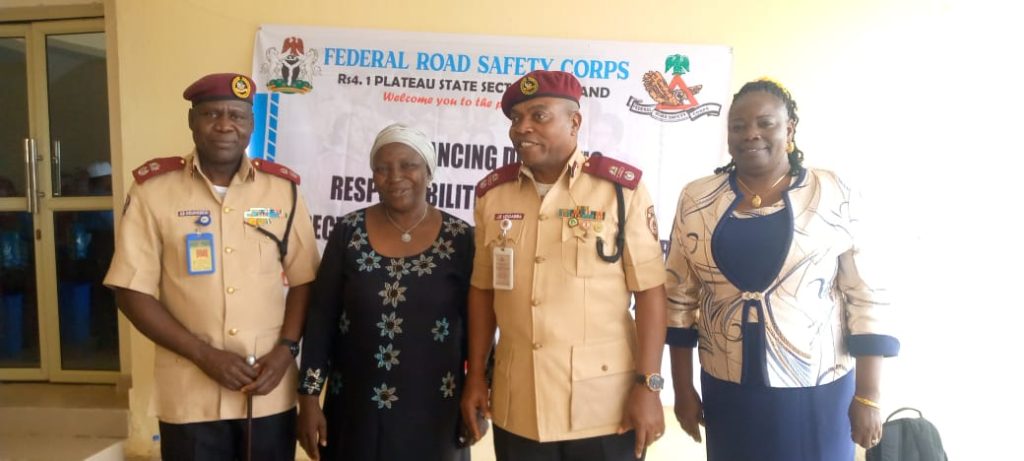
Assistant Corps Marshal Joseph Udoabba, Zonal Commanding Officer of the Corps, stated this on Wednesday in Jos during a workshop for women in uniform themed “Balancing Domestic Responsibilities with Official Expectations Among Women in Uniform.”
Udoabba said the Corps had continued to create opportunities for women to serve and lead, noting that several FRSC zones and state commands across the country are currently headed by women.
“Looking at the 12 zones that the Corps has, some are headed by the female gender, while some states are also headed by women. What we are trying to do is balancing, and we are making progress because of the Corps’ gender-sensitive policy,” he said.
He encouraged women to take advantage of opportunities for growth and leadership, stressing that preparedness remained key to success.
“Women must always be prepared because when preparedness meets opportunity, something great happens,” he added.
Earlier, the Plateau State Sector Commander, Dr. Adelaja Ogungbemi, said the workshop was organised to strengthen the capacity of female personnel and help them effectively manage the challenges associated with balancing family responsibilities and workplace expectations.
According to him, women play critical roles both in society and in the workplace, making it necessary to invest in their continuous development.
“Over time, from my experience in this job, I have come to realise that women have a very strong role to play in our society. I have worked with many female officers who have performed exceptionally well, and since then I have continued to think about the need to improve the capacity of our women,” he said.
Ogungbemi noted that women constitute a significant proportion of personnel in the Plateau State Sector Command and expressed optimism that the knowledge gained from the workshop would improve their productivity both at home and in the workplace.
In a paper presentation titled “Stress and Emotional Management for Working-Class Women,” Dr. Joy Panle of the Department of Guidance and Counselling, University of Jos, identified workplace demands, childcare responsibilities, financial pressures and career expectations as major sources of stress affecting women.
She urged participants to prioritise emotional wellbeing and adopt healthy coping mechanisms to enhance resilience and productivity.
Also speaking, Chairperson of the Plateau State Gender and Equal Opportunities Commission, Hon. Olivia Dazyam, described balancing family and professional responsibilities as one of the greatest challenges confronting women.
“Balance does not mean doing everything perfectly at the same time. It means making wise choices, setting priorities and creating healthy boundaries,” she said.
The workshop featured panel discussions and experience-sharing sessions aimed at equipping participants with practical strategies for career growth, stress management and family stability.