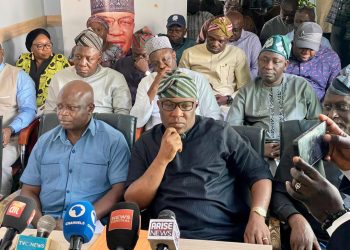
Former Plateau State Governor and elder statesman, Senator Jonah David Jang, has rejected proposals seeking to grant indigene certificates to Hausa/Fulani residents in Plateau State, describing the matter as one with far-reaching implications for the state’s identity, cultural heritage, and indigenous rights.
Jang made his position known amid renewed debates surrounding citizenship, residency, and indigeneity in Plateau State, following recent discussions over who qualifies for indigene status.
According to the former governor, indigene certificates have traditionally been reserved for ethnic groups and communities regarded as the original inhabitants of the state. He argued that long-term residence alone should not be sufficient grounds for obtaining indigene status.
“Indigene certificates are historically linked to communities and ethnic groups recognized as the original inhabitants of Plateau State and should not be granted solely on the basis of long-term residence,” Jang stated.
While acknowledging that every Nigerian has the constitutional right to live, work, and engage in lawful activities anywhere in the country, Jang maintained that such rights do not automatically confer indigene status.
He emphasized that indigeneity carries unique historical, cultural, and ancestral significance that must be preserved for indigenous communities.
“Every Nigerian has the constitutional right to live and conduct lawful activities anywhere in the country, but such rights should not automatically translate into indigene status,” he said.
Jang further stressed the importance of maintaining a clear distinction between residents and indigenes, arguing that it is necessary to safeguard the heritage, interests, and political representation of communities traditionally recognized as indigenous to Plateau State.
According to him, altering the existing framework could generate tensions and potentially weaken the rights and protections enjoyed by native groups.
“Preserving the distinction between residents and indigenes is necessary to protect the interests, heritage, and political representation of indigenous communities,” he added.
The former governor also called on policymakers, traditional leaders, and other stakeholders to approach any proposed changes to the indigene certificate system with caution, warning that unintended consequences could arise if the issue is not carefully handled.
The debate over indigene status remains a sensitive and contentious issue in Plateau State, reflecting broader national conversations about citizenship, belonging, and the balance between residency rights and indigenous identity.