Youths from Christian communities across Benue, Southern Bauchi, Southern Kaduna, and Plateau States have rejected what they described as the “false and misleading narrative” that the ongoing violence in the Middle Belt region is a mere clash between farmers and herders, insisting that the attacks are part of a coordinated and religiously motivated campaign of ethnic cleansing.
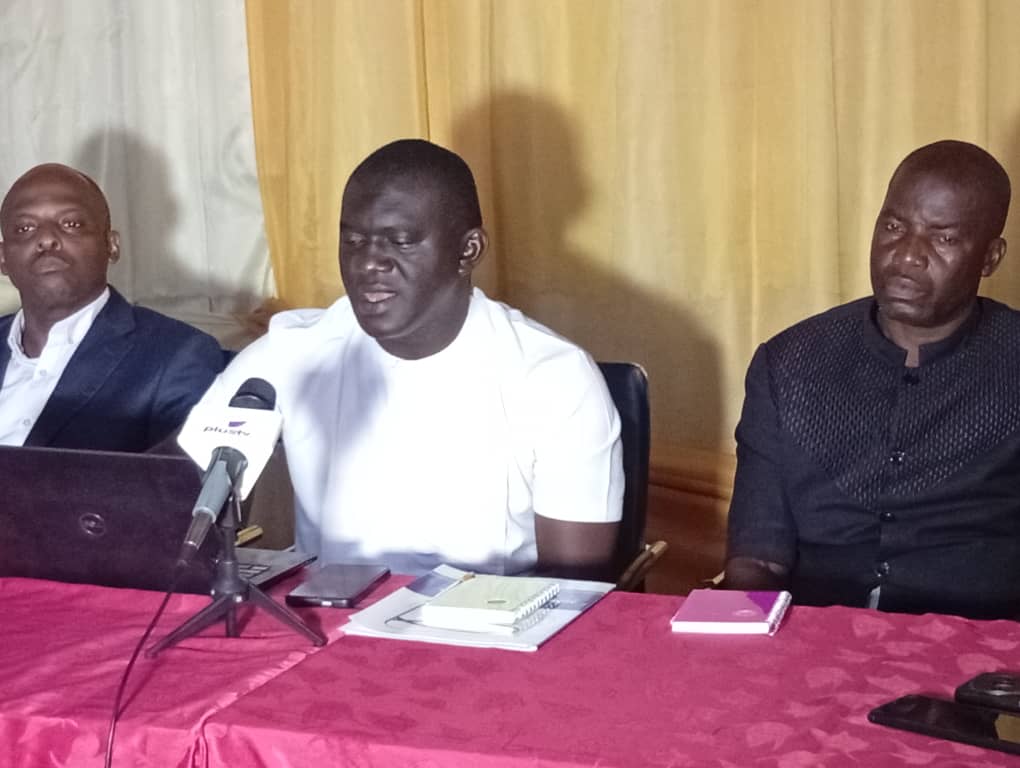
The position was made known on Friday during a joint press conference held in Jos, Plateau State, where the Christian youths, under the umbrella of various denominational platforms including ECWA, NKST, COCIN, and YOWICAN, decried the continued killings, destruction of farmlands, and forceful occupation of ancestral lands in their communities.
Speaking on behalf of the group, Mr. Jethro Doyum Moor declared, “What we are experiencing is not just insecurity. These are coordinated and religiously driven attacks targeting Christian communities. If this wasn’t so, why are the assailants heard chanting ‘Allahu Akbar’ during attacks?”
The youths stated that the language used in national discourse to describe the crisis has dangerously watered down the severity and intent of the violence, adding that terms like “herders-farmers clash,” “communal violence,” or “land dispute” mask what they believe to be a calculated agenda to subjugate and displace indigenous Christian populations.
They also highlighted repeated incidents of killings, kidnappings, rape, abduction, and forced conversion of Christian minors as patterns of religious persecution being waged against their communities.
“The bullets and machetes do not recognize denominations—be it Catholic, ECWA, Anglican, or NKST—we are all affected. This is not a clash. It is persecution. It is ethnic and religious cleansing,”Moor said.
The group further accused the government of failing to call the crisis what it truly is, warning that continued mischaracterization would only embolden the perpetrators and hinder long-term solutions.
They maintained that restoring peace and justice in the Middle Belt would require a genuine national conversation that correctly identifies the problem and addresses it accordingly.