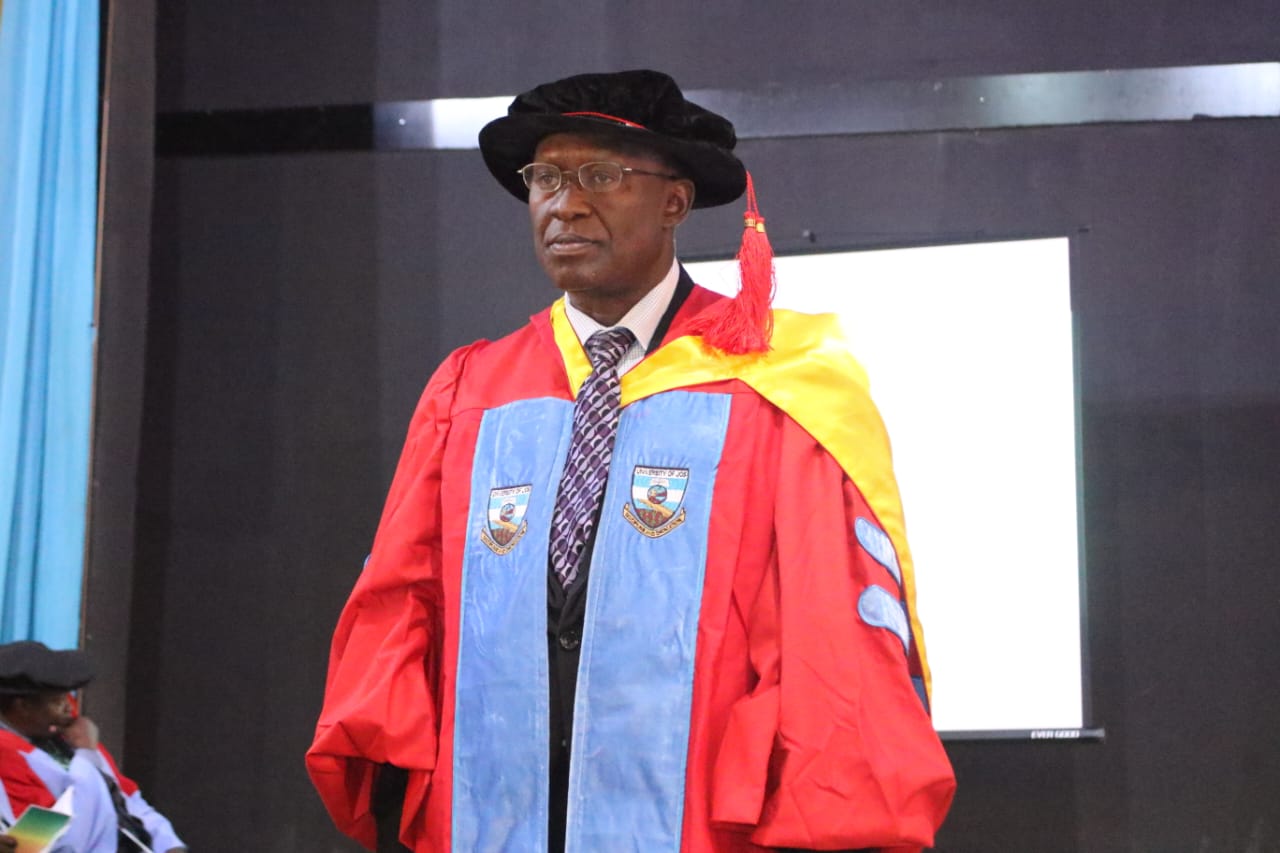


Professor Philip Asura Nggada of the University of Jos has drawn a connection between the meticulous preservation of a 16th century Torah scroll and the urgent need for accountability, literacy and ethical governance in Nigeria.
Delivering the University’s 116th Inaugural Lecture titled “Textual Examination of Sofer Marks in the 16th Century Torah Scroll: A Quest for National Development”, the Professor of Old Testament Textual Criticism and Biblical Languages argued that the precision adopted by ancient Jewish scribes offers enduring lessons for modern nation-building.
He explained that the Torah scroll, carefully copied on treated animal skin and preserved through strict scribal traditions, demonstrates a culture of responsibility that ensured no letter was omitted or altered without detection.
In his words:The sofrim were meticulous counters. They counted every letter to ensure textual authenticity. The Torah contains 304,805 letters. If even one letter is missing, the scroll is considered defective.
He noted that scribes even identified the central letter and central word of the Torah to safeguard textual integrity, describing the process as a model of discipline and structured accountability.
According to him, textual criticism as a discipline seeks to recover the author’s original wording and restore corrupted sections caused by wear, insect damage, fading ink or copying errors.
He stated:Textual criticism concerns the recovery of the author’s original wording as found in the autograph. The task of the textual critic is to examine corrections and variants in order to restore, as much as possible, the original text. The goal is accurate interpretation of God’s word in its proper context.
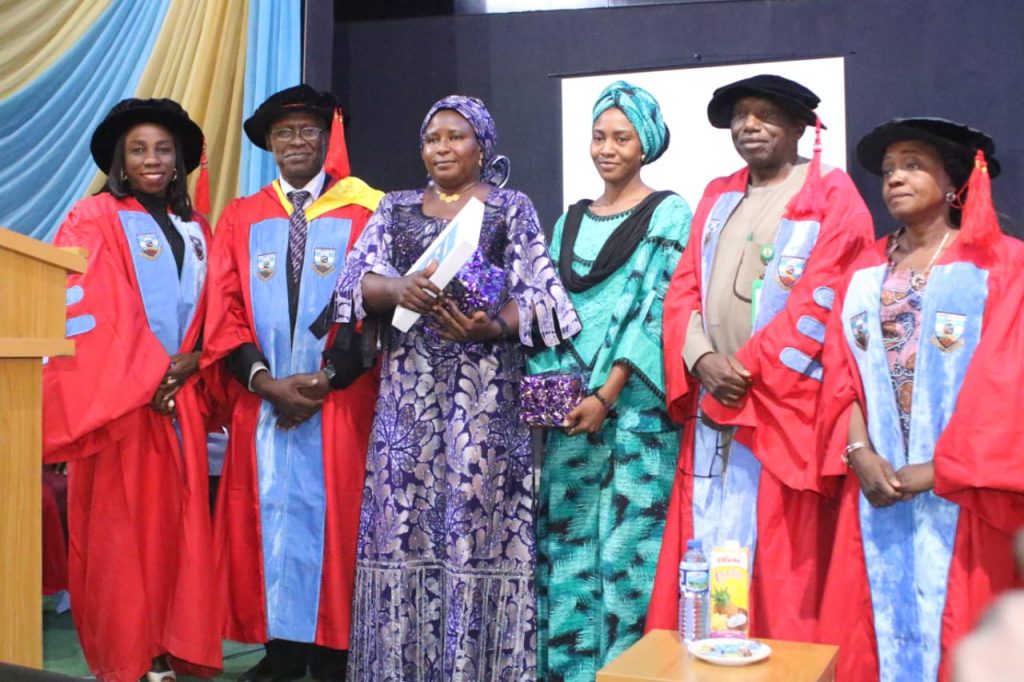
Professor Nggada argued that the ethical foundations embedded in the Torah — including equity before the law, stewardship, transparency and social justice — remain relevant to contemporary governance systems.
He maintained that literacy and education are indispensable to national development, warning that societies with weak literacy foundations are vulnerable to manipulation and corruption.
“Education is central. Literacy is foundational for national development. Without literacy, people can be misled easily. The Torah is transformative. It lays down ethical principles, equity before the law, transparency, accountability, stewardship, social justice and welfare” he added.
Highlighting the way forward, the scholar advocated the use of multispectral imaging technology in manuscript research and called for stronger institutional support for biblical textual criticism in Nigerian universities.
He recommended the establishment of postgraduate programmes and specialised centres for biblical languages, stressing that academic rigour and ethical consciousness must go hand in hand for sustainable national progress.