


In many rural communities across Nigeria, the digital revolution still feels far away. While technology ecosystems continue to expand in major cities such as Lagos and Abuja, millions of young people in smaller towns remain cut off from opportunities in the global digital economy.
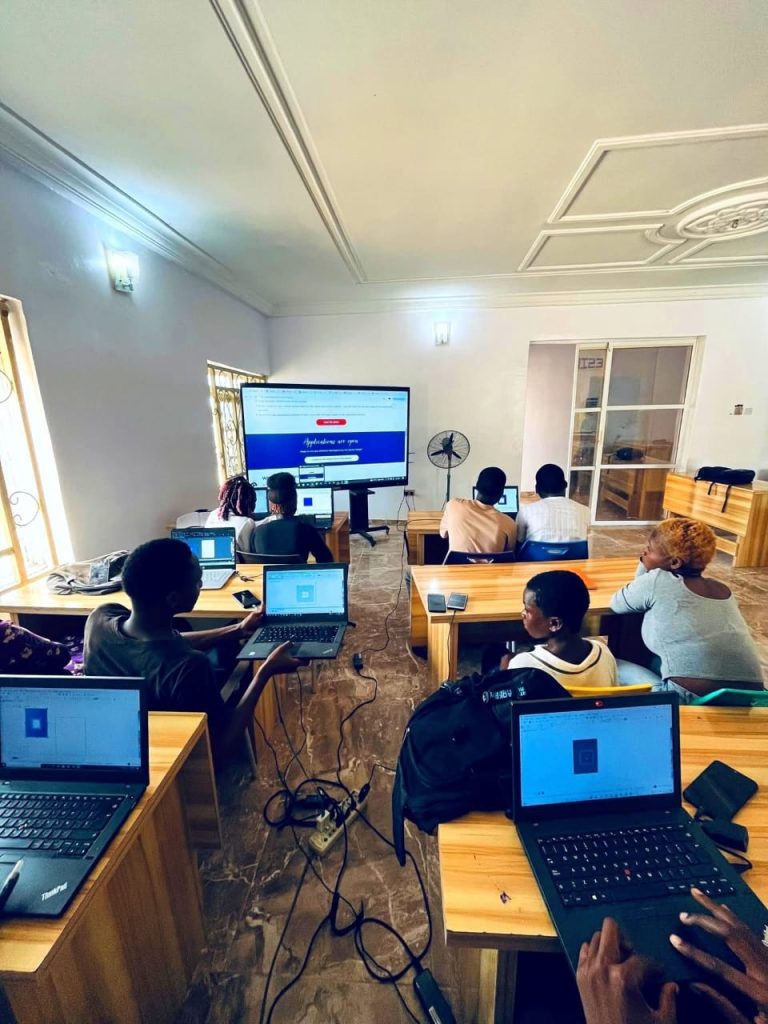
In Langtang Local Government Area of Plateau State, however, a quiet transformation is underway.More than 200 young people including girls, teenagers and out-of-school youths are acquiring practical digital skills ranging from graphic design and digital marketing to virtual assistance and foundational artificial intelligence literacy at the Langtang Innovation Hub.
For Amb. Ponfa Miri (Prince), the Project Lead of the initiative, the project is not charity but a deliberate economic intervention aimed at narrowing Nigeria’s widening digital divide.
A youth development advocate and IT project management consultant, Miri previously served as Special Assistant on ICT to the Executive Governor of Plateau State and also worked as Manager of Code Plateau, where he helped drive large-scale digital training initiatives across the state.
His current focus is rural digital inclusion.According to him, the idea behind the Langtang Innovation Hub emerged from repeated encounters with talented rural youths who lacked access to digital opportunities.
“In rural Plateau, I encountered brilliant young minds especially girls and out-of-school youths who were completely cut off from the digital economy,” he explained.
While urban centres continue to experience rapid growth in technology and innovation, many rural communities still rely on manual systems for education, marketing and basic services.
Miri believes the real gap is not only infrastructure but also opportunity and belief.”We founded the Langtang Innovation Hub because geography should not determine destiny. The future is rural,” he said.
Building Digital Opportunities in Rural Communities
Nigeria’s technology sector has grown significantly over the past decade, but much of that growth remains concentrated in a few major cities. Experts say this imbalance risks leaving rural communities behind in what is often described as the Fourth Industrial Revolution.
Miri argues that innovation ecosystems must expand beyond urban centres if Nigeria hopes to achieve inclusive economic growth.“Concentrating tech growth in a few cities is like watering one corner of a vast farm and expecting the whole field to flourish,” he said.
By establishing innovation hubs in smaller communities, he believes rural youths can gain the same opportunities as their counterparts in major cities while contributing solutions to local challenges.
Digital Skills That Translate Into Income
At the Langtang Innovation Hub, training programmes focus on practical, market-driven skills.Participants are trained in digital marketing, graphic design, virtual assistance, community management and online business development.
The training is largely hands-on, allowing participants to work on real projects while learning.Some graduates now manage social media campaigns for local businesses, while others offer freelance services such as graphic design and administrative support to clients online.
Several trainees have also launched small online stores, creating new streams of income without leaving their communities.
For many participants, these opportunities represent their first connection to the global digital economy.
Changing Lives and Mindsets
Beyond economic opportunities, the hub has also contributed to changing perceptions about technology in rural communities.Since its pilot phase, more than 200 participants between the ages of 10 and 35 have enrolled in the programme, with a significant number of female participants and out-of-school youths.
One notable example is Byenan, a 16-year-old participant who joined the Rural Kids Digital Skills Programme with little experience using computers.
Today, she designs digital graphics professionally and mentors younger learners at the hub.
Another young woman trained as a virtual assistant before launching an online retail business that serves customers in Jos and Abuja. She now employs other graduates of the programme.
According to Miri, such stories are gradually changing community attitudes toward digital education.“Parents who once doubted technology are now encouraging their children to enrol in digital training programmes,” he said.
Overcoming Barriers to Digital Access
Despite the successes recorded so far, rural digital innovation still faces significant barriers.Limited infrastructure, poor internet connectivity, the high cost of devices and lack of awareness remain major obstacles preventing many rural youths from participating in the digital economy.
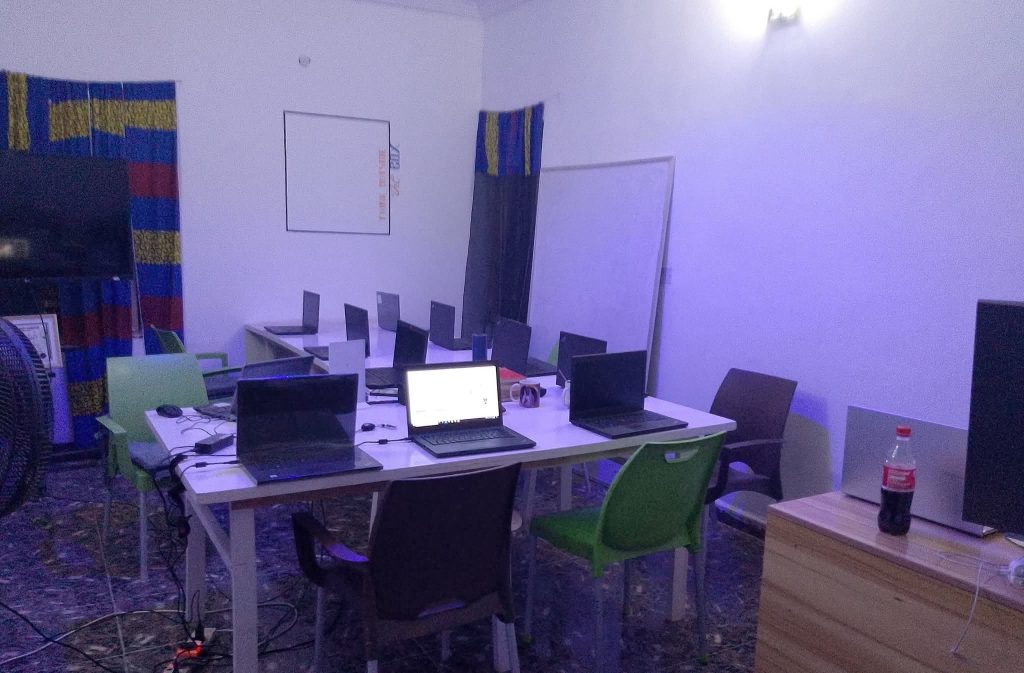
The Langtang Innovation Hub attempts to address these challenges through shared digital resources and community partnerships. The facility is equipped with high-performance laptops, solar power backup systems and Starlink internet connectivity, enabling participants to access stable online services.
Community sensitisation efforts involving parents, traditional leaders and faith-based institutions have also helped change mindsets about technology education, particularly for girls.
Preparing Rural Youths for the Age of Artificial Intelligence
As artificial intelligence continues to reshape industries worldwide, concerns have grown about whether young people in rural areas might be left behind.
To address this gap, the hub introduces participants to basic AI literacy, including the use of productivity and research tools.
Participants are also introduced to the fundamentals of prompt writing and digital problem-solving, equipping them with skills that can be applied in areas such as agriculture, education and entrepreneurship.
Miri believes such exposure is essential if rural communities are to benefit from emerging technologies.“Our goal is to ensure rural youths are not just consumers of technology but innovators who can apply these tools to solve local challenges,” he said.
A Potential Solution to Youth Unemployment
Nigeria continues to grapple with rising youth unemployment, with millions of young people struggling to find sustainable livelihoods.For Miri, rural innovation hubs could form part of the solution.
He points out that if a single hub in Langtang can train and empower more than 200 young people, similar initiatives across Nigeria’s 774 local government areas could generate opportunities for millions.
However, he emphasised that government support will be crucial for scaling such initiatives.Key areas of support include rural broadband expansion, solar infrastructure, grants for innovation hubs, integration of digital skills into secondary school curricula and stronger public-private partnerships.
“Rural hubs are not charity projects,they are economic infrastructure.”
Looking Ahead
Despite challenges such as funding, internet reliability and expansion costs, the Langtang Innovation Hub continues to grow through volunteer mentorship, community support and partnerships.
For Miri, the long-term goal is to create a self-sustaining ecosystem where each graduating cohort helps mentor the next generation of learners.
He believes the path to Nigeria’s digital future may not lie solely in major technology cities but also in small communities where talent exists but opportunities remain limited.
“The future is not confined to Lagos or Abuja,it includes rural Nigeria. The talent already exists. What is missing are the tools”. Miri emphasized.